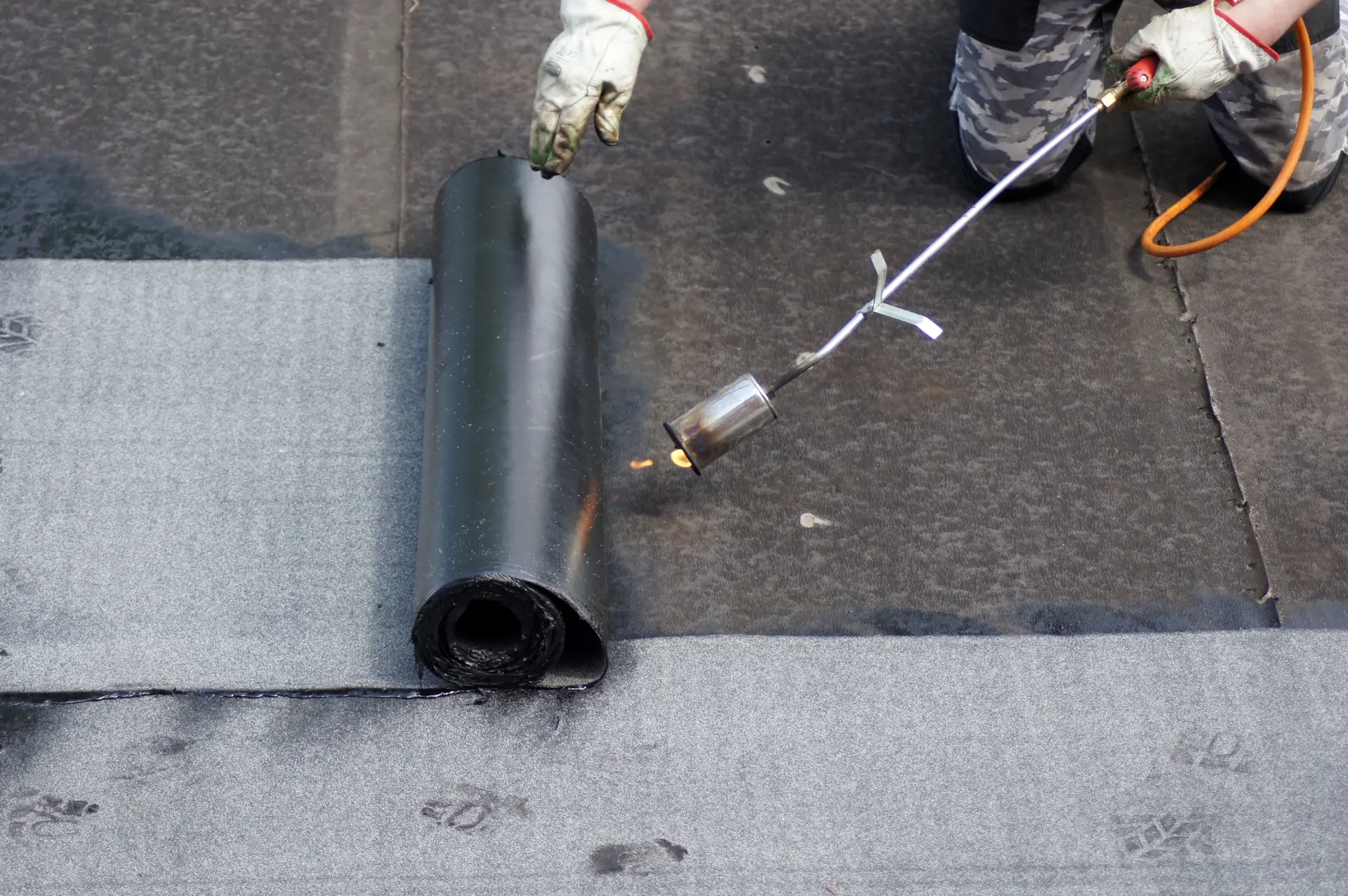
Get detailed insight into the pros and cons of flat roof types. Choose the best flat roof material for durability, cost-effectiveness, and longevity.
Why Choosing the Right Type of Flat Roof Matters
Flat roofs are a popular choice for many buildings, from commercial properties to modern homes. They offer a sleek, space-saving design and can be used for rooftop gardens, solar panels, or even additional outdoor living areas. However, not all flat roofs are created equal. The type of roofing material you choose will have a big impact on durability, maintenance needs, and long-term costs.
A well-chosen flat roof can provide excellent protection against the elements, keeping your building dry and energy-efficient. Some materials offer better insulation, reducing heating and cooling costs. Others are more resistant to leaks, standing water, or extreme temperatures. If you make the wrong choice, you could face frequent repairs, water damage, or high maintenance expenses.
Different flat roof types have their own pros and cons. Some, like built-up roofing (BUR), are very strong but can be heavy and difficult to install. Others, like EPDM rubber, are lightweight and flexible but may be vulnerable to punctures. By understanding the strengths and weaknesses of each material, you can make an informed decision that fits your budget and needs.
Choosing the right flat roof isn’t just about aesthetics—it’s an investment in the longevity and safety of your property. Taking the time to research your options will help ensure your roof stands the test of time.
Built-Up Roofing (BUR)
What is built-up roofing?
Built-up roofing (BUR) is one of the oldest types of flat roofing. It consists of multiple layers of tar and gravel, which create a thick and durable surface. The layers are built up to provide extra protection against weather and wear.
This roofing method has been used for over a century and is still popular today due to its strength and reliability. BUR is commonly used on commercial buildings, but some homeowners also choose it for its durability.
Pros of BUR
- Long-lasting (can last up to 30 years with proper maintenance).
- Provides good insulation, keeping buildings warm in winter and cool in summer.
- Tough and resistant to foot traffic, making it ideal for terraces or storage areas.
- Waterproof when properly installed, reducing the risk of leaks.
- Fire-resistant due to its thick, layered structure.
Cons of BUR
- Heavy and may require extra structural support.
- Takes a long time to install because multiple layers must be applied.
- Can be expensive due to the materials and labour involved.
- Repairs can be difficult if leaks occur, as finding the exact source can take time.
Modified Bitumen Roofing
What is modified bitumen roofing?
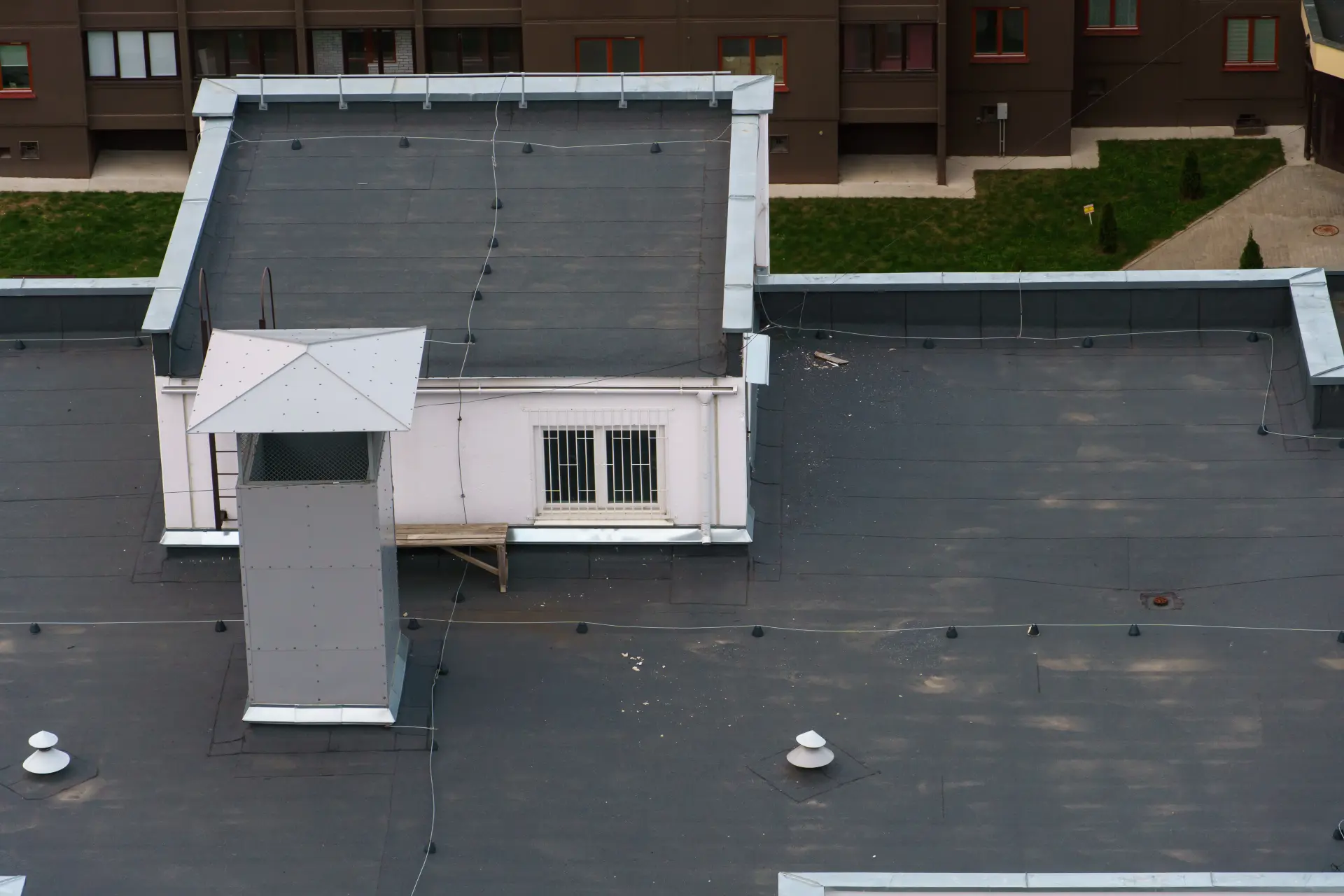
Modified bitumen roofing is an improved version of BUR. It uses asphalt mixed with rubber or plastic for added flexibility. This roofing material comes in rolls and is either heat-welded or glued onto the roof surface.
It was developed to provide a more flexible and lightweight alternative to traditional BUR while still offering excellent durability.
Pros of modified bitumen
- More flexible than traditional BUR, reducing cracks.
- Easier to install than BUR, which helps reduce labour costs.
- Resistant to extreme temperatures, making it suitable for hot and cold climates.
- Can last 20–30 years with proper care.
- Available in different colours and finishes.
cons of modified bitumen
- Can be easily damaged by sharp objects.
- Seams between rolls can be weak spots for leaks if not properly sealed.
- Requires professional installation to ensure proper adhesion and waterproofing.
EPDM (Rubber) Roofing
What is EPDM roofing?
EPDM (Ethylene Propylene Diene Monomer) is a type of rubber roofing. It comes in large sheets, which are glued or fastened to the roof. It is commonly used in commercial buildings and some residential homes.
EPDM is known for its flexibility and resilience. It is often used on buildings with low-pitch or completely flat roofs where water drainage is a concern.
Pros of EPDM
- Lightweight and easy to install, reducing labour costs.
- Very durable, lasting up to 50 years with proper maintenance.
- Resistant to UV rays and harsh weather, preventing cracking.
- Requires little maintenance, making it a cost-effective option.
- Available in black and white, with the white version reflecting heat to improve energy efficiency.
cons of EPDM
- Can be punctured by sharp objects or debris.
- Black EPDM absorbs heat, making buildings hotter unless a reflective coating is applied.
- Repairs require special adhesives and professional expertise.
- Seams can weaken over time, potentially leading to leaks.
TPO Roofing
What is TPO roofing?
TPO (Thermoplastic Olefin) roofing is a single-ply roofing membrane made from a blend of polypropylene and ethylene-propylene rubber. It is a popular choice for commercial and residential buildings due to its energy efficiency and durability.
TPO roofing is available in white, grey, and tan, with white being the most reflective, helping to reduce cooling costs. It is installed by heat-welding the seams, creating a watertight and strong surface.
Pros of TPO
- Highly reflective surface reduces cooling costs.
- Lightweight and flexible, making installation easier.
- Resistant to mould, dirt, and debris buildup.
- Seams are heat-welded, creating a strong waterproof barrier.
- Durable against UV rays and extreme weather conditions.
Cons of TPO
- Quality varies among manufacturers, making it important to choose a reputable brand.
- Seams can weaken over time if not properly installed.
- Can be more expensive than EPDM rubber roofing.
- Requires professional installation for best results.
PVC Roofing
What is PVC roofing?
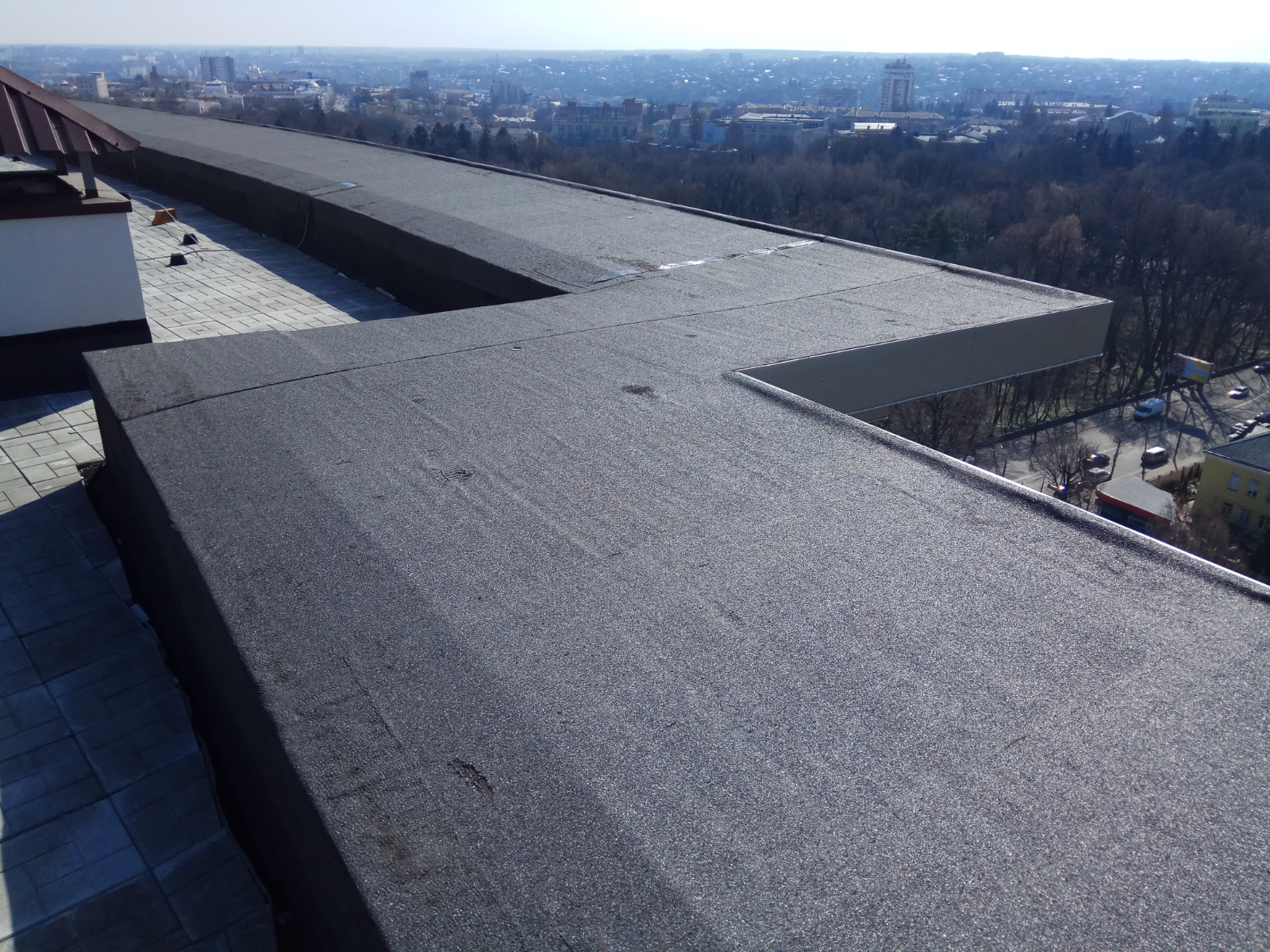
PVC (Polyvinyl Chloride) roofing is a single-ply membrane known for its strength, flexibility, and resistance to chemicals. It is commonly used in commercial buildings but is also an option for residential flat roofs.
PVC roofing is reinforced with polyester or fibreglass and is typically heat-welded at the seams, making it highly resistant to water leaks and weather damage.
Pros of PVC
- Extremely durable and long-lasting (up to 30+ years).
- Highly resistant to fire, chemicals, and water.
- Reflects heat, making it energy-efficient.
- Strong seams due to heat-welded installation.
- Low maintenance and resistant to punctures.
cons of PVC
- More expensive than TPO or EPDM roofing.
- Can become brittle over time, especially in cold climates.
- Professional installation is required for proper sealing.
- Not as eco-friendly as some other options.
GRP/Fibreglass Roofing
What is GRP/fibreglass roofing?
GRP (Glass Reinforced Plastic), also known as fibreglass roofing, is a lightweight and durable roofing system. It is applied as a liquid resin mixed with glass fibre, which hardens into a seamless and waterproof surface.
Commonly used for garages, extensions, and commercial buildings, GRP is known for its high strength and long lifespan.
Pros of GRP
- Completely waterproof with a seamless finish.
- Lightweight yet incredibly strong and durable.
- Low maintenance and long lifespan (30+ years).
- Can be finished with anti-slip coatings for safety.
- Fire-resistant and resistant to extreme weather conditions.
cons of GRP
- Can be slippery when wet unless an anti-slip layer is added.
- More expensive than some other flat roofing options.
- Requires professional installation for best results.
Green Roofing
What is a green roof?
A green roof is a flat roof covered with vegetation, soil, and drainage layers. It provides environmental benefits and enhances a building’s appearance while improving insulation and water management.
Green roofs are common in eco-friendly buildings and urban areas looking to reduce heat buildup and stormwater runoff.
Pros of green roofing
- Improves air quality and biodiversity.
- Reduces stormwater runoff and prevents flooding.
- Provides natural insulation, reducing heating and cooling costs.
- Extends the lifespan of the roof by protecting it from the elements.
cons of green roofing
- Expensive to install due to extra materials and support required.
- Requires regular maintenance, including watering and trimming.
- Can be heavy, needing extra structural reinforcement.
Spray-On Roofing (SPF – Spray Polyurethane Foam)
What is spray-on roofing?
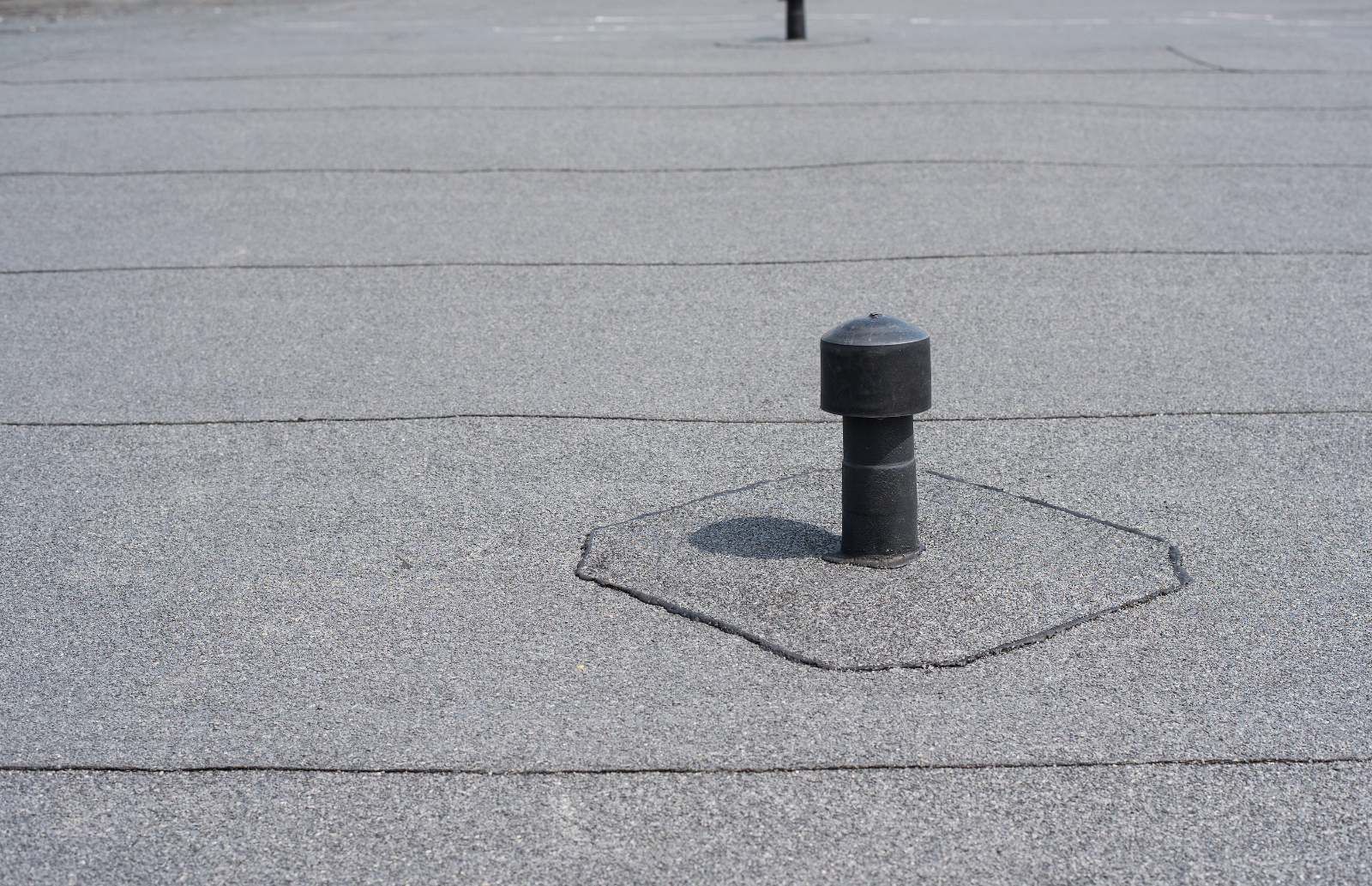
SPF (Spray Polyurethane Foam) roofing is a liquid-applied roofing system that expands into a foam, creating a seamless, waterproof barrier. It is often used on both residential and commercial flat roofs.
Pros of SPF roofing
- Seamless and waterproof, preventing leaks.
- Provides excellent insulation.
- Lightweight and easy to apply.
cons of SPF roofing
- Must be installed in the right weather conditions.
- Can be expensive upfront.
Choosing the Right Flat Roof for Your Needs
Each type of flat roof has its own benefits and drawbacks, making it essential to consider several factors before deciding which is best for your building. Durability, cost, weather resistance, and maintenance requirements all play a role in determining the most suitable option.
For example, if you need a long-lasting and extremely strong roof, Built-Up Roofing (BUR) or Modified Bitumen might be ideal due to their multi-layered construction and ability to withstand heavy foot traffic. However, they can be expensive and require professional installation.
If you are looking for something lightweight and flexible, EPDM (rubber roofing) is a great choice. It is easy to install, resistant to UV rays, and offers a long lifespan. However, it can be prone to punctures, which may require periodic repairs.
On the other hand, if energy efficiency is your priority, TPO or PVC roofing could be the best fit, as they reflect sunlight and help reduce cooling costs. GRP (fibreglass roofing) offers excellent waterproofing and durability but can be costly and slippery when wet.
Before making a final choice, consulting with a roofing expert is highly recommended. A professional can assess your building’s structure, climate conditions, and long-term needs to help you select the best roofing system. Investing in the right flat roof now can save you significant money and hassle over time, ensuring that your property remains well-protected for decades.
Need a reliable flat roofing solution in Blackpool, Layton, or Kirkham? Paul Jones Roofing Contractor offers expert flat roof installations and repairs across the Fylde Coast, using durable materials for long-lasting protection.